New treatments
FDA approves daraxonrasib, an oral treatment for metastatic pancreatic cancer
On 26 August 2026 the FDA approved daraxonrasib (Rasonque), an oral medicine that blocks RAS proteins. In the phase 3 RASolute 302 trial, median survival was 13.2 months versus 6.7 months with chemotherapy.
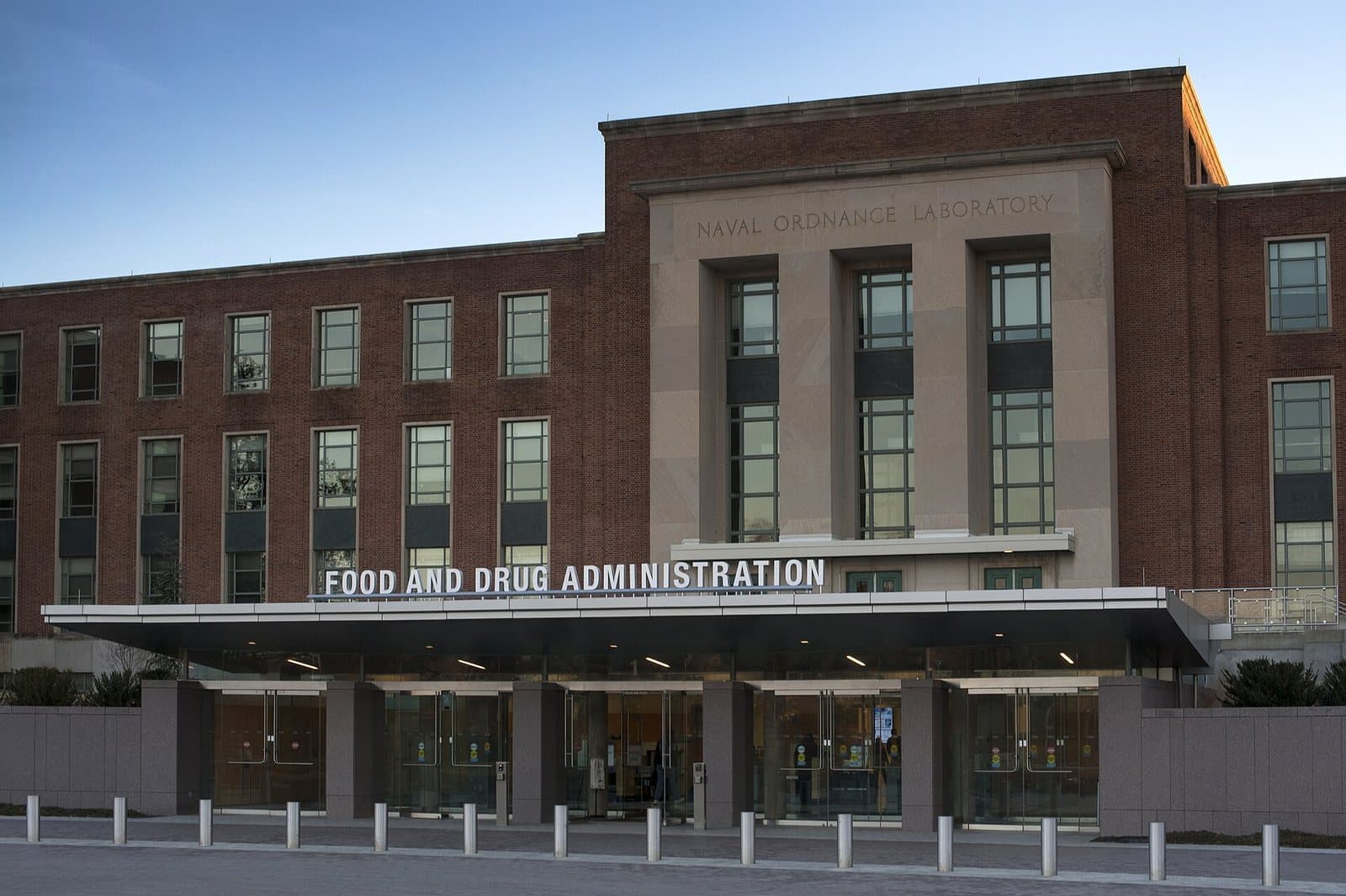
On 26 August 2026 the FDA approved daraxonrasib (brand name Rasonque), developed by Revolution Medicines, for adults with metastatic pancreatic adenocarcinoma who have already received at least one systemic treatment or who cannot receive multi-drug chemotherapy. It is a once-daily tablet that blocks the active form of RAS proteins. Abnormal activation of the RAS pathway is the main driver of pancreatic cancer, and RAS mutations are found in more than 90% of cases.
What the trial showed
The approval was based on the phase 3 RASolute 302 trial, published in The New England Journal of Medicine on 31 May 2026. Its 500 patients, whose disease had progressed after earlier treatment, received either daraxonrasib or chemotherapy chosen by their doctor. Median survival was 13.2 months with daraxonrasib versus 6.7 months with chemotherapy, a 60% reduction in the risk of death. Median time until the disease worsened was 7.2 versus 3.6 months, and tumours shrank substantially in 30% of patients versus 11%.
Side effects
Side effects of grade 3 or higher occurred in 61.8% of patients on daraxonrasib and 69.6% of those on chemotherapy, and treatment was stopped because of treatment-related side effects in 1.2% and 11.2% respectively. The FDA label includes warnings about skin toxicity, mouth sores, diarrhoea, gastrointestinal perforation, interstitial lung disease and harm to an unborn baby.
The situation in Europe
The medicine is not yet authorised in the European Union. On 7 July 2026 the EMA started a phased review to speed up the assessment, after prioritising it under its Cancer Medicines Pathfinder project. The EMA notes that patients whose metastatic disease progresses after treatment have a life expectancy of about six months. The draft agenda of the CHMP committee for its 12–15 October 2026 meeting lists an opinion on daraxonrasib for adoption.
What we don't know yet
The approval covers patients who have already been treated or who cannot receive multi-drug chemotherapy; it is not yet known whether the drug helps other patients as a first treatment, how long the benefit lasts or how resistance develops. If you or someone close to you has this diagnosis, discuss treatment options and possible clinical trials with your oncologist.
Sources
- FDA: FDA approves daraxonrasib for metastatic pancreatic adenocarcinoma (26 August 2026)
- The New England Journal of Medicine (2026): Daraxonrasib or Chemotherapy in Previously Treated Metastatic Pancreatic Cancer
- European Medicines Agency: EMA fast tracks review of a medicine for metastatic pancreatic cancer (7 July 2026)
- European Medicines Agency: Draft CHMP agenda, 12–15 October 2026
An informative article based on the sources above. It does not replace your doctor’s advice.