New treatments
Artificial intelligence in breast-cancer screening: final results of the Swedish MASAI trial
On 29 January 2026 The Lancet published the main results of the MASAI trial of more than 105,000 women: AI-supported mammography screening was non-inferior to double reading by radiologists, with higher sensitivity and the same specificity.
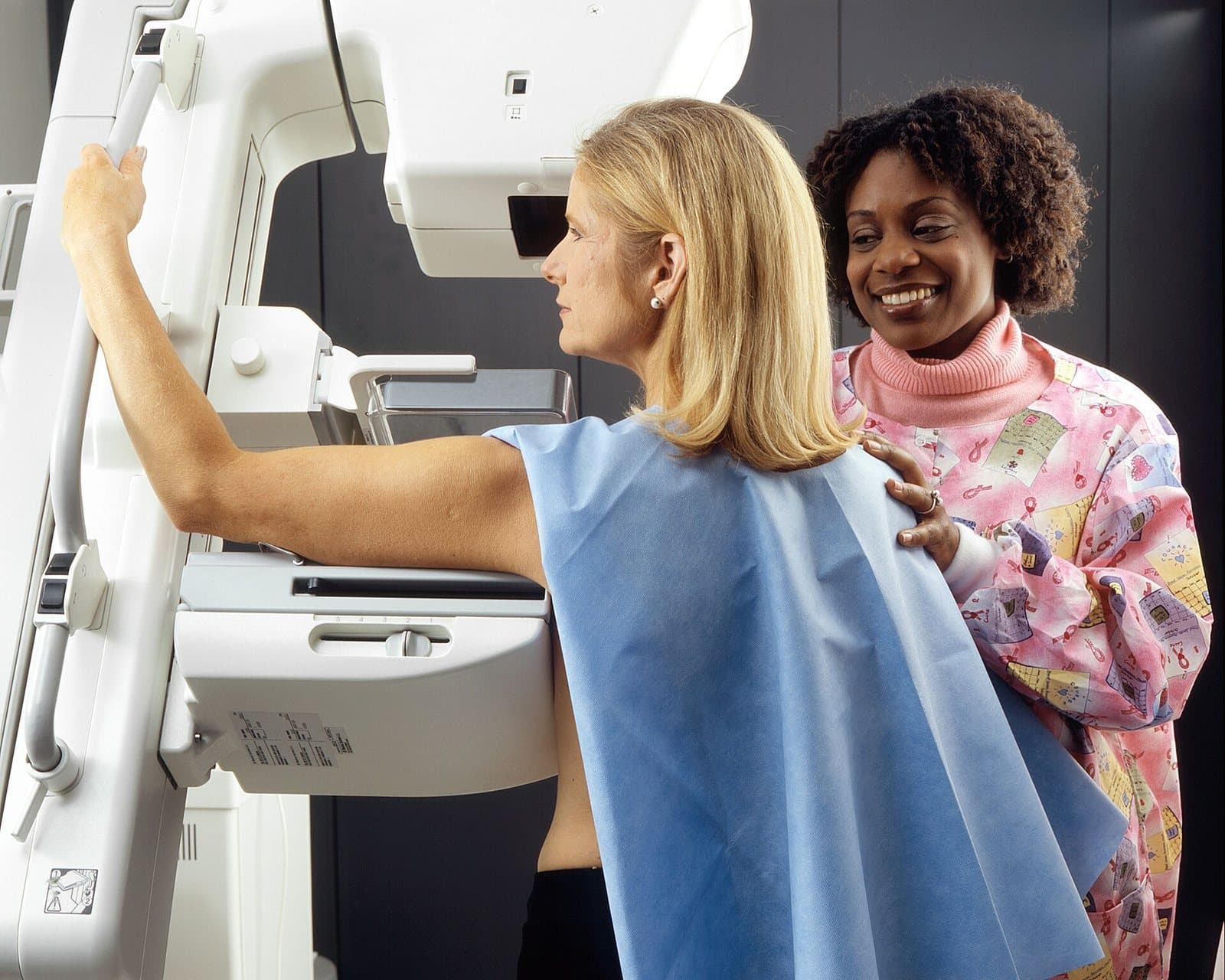
The MASAI trial, led by researchers at Lund University, was run within Sweden's national screening programme at four sites in the south-west of the country. Between April 2021 and December 2022, 105,934 women were randomly assigned either to standard screening, with each mammogram read by two radiologists, or to AI-supported screening. In the AI group, the system (Transpara, ScreenPoint Medical) sent each examination to single or double reading according to risk and highlighted suspicious areas; radiologists still read the mammograms.
Results published in 2025
An analysis published in The Lancet Digital Health in February 2025 showed that the AI group detected 6.4 cancers per 1,000 women screened, compared with 5.0 in the standard group, or 29% more, with no significant increase in recalls or false positives. Radiologists' reading workload fell by 44%. The extra cancers were mainly small invasive tumours without lymph-node involvement.
The final results
The main endpoint was the interval cancer rate: cancers diagnosed between two screening rounds that the mammogram had missed. In the Lancet analysis the rate was 1.55 per 1,000 participants with AI and 1.76 per 1,000 in the standard group. This met the pre-set criterion showing that AI is not inferior to double reading; the difference of about 12% in favour of AI, however, is not statistically significant. The AI group had fewer invasive, large or more aggressive interval cancers, and sensitivity was higher (80.5% versus 73.8%) with the same specificity (98.5%).
What other European countries are doing
According to Lund University, many Swedish regions have started introducing AI-supported screening, and implementation has also begun elsewhere in Europe. In the United Kingdom, the government launched the EDITH trial in February 2025, with nearly 700,000 women, 30 sites and £11 million in funding, to test whether AI can take over the role of one of the two specialists who read each mammogram.
What we don't know yet
MASAI was run in a single country, with one AI system, one type of mammography machine and experienced radiologists, so results may differ in other programmes. Data from later screening rounds and cost analyses are still needed. If you have questions about screening, talk to your doctor; any breast change that appears between two mammograms is worth reporting.
Sources
- The Lancet (2026): Interval cancer, sensitivity, and specificity comparing AI-supported mammography screening with standard double reading without AI in the MASAI study
- The Lancet Digital Health (2025): Screening performance and characteristics of breast cancer detected in the MASAI trial
- Lund University: AI support in breast cancer screening: fewer missed cancer cases (30 January 2026)
- UK Government: World-leading AI trial to tackle breast cancer launched (4 February 2025)
An informative article based on the sources above. It does not replace your doctor’s advice.